 Proudly Serving Allentown, Bethlehem, Easton & the Lehigh Valley
 ISA Certified Arborists
 Fully Insured
 (484) 225-8400

Tree Trimming in
Emmaus, PA
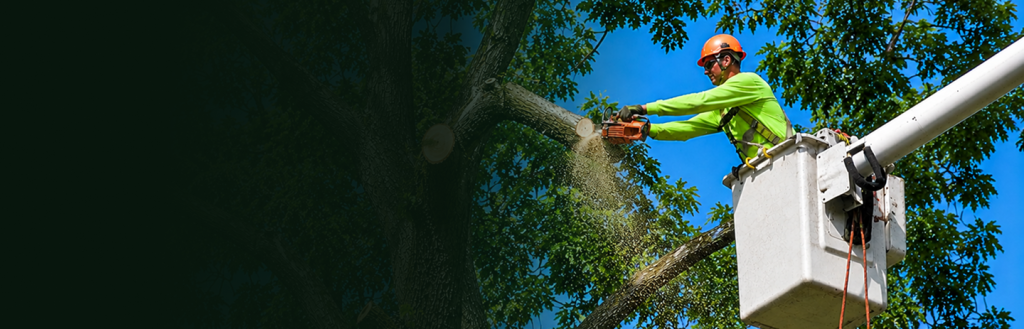
Tree trimming in Emmaus, PA. Thrive Tree
serves the Shade Tree Commission, aging older borough lots canopy,
and Alpine Street preserve-edge lots.
Emmaus Takes Its Trees Seriously. The Shade Tree Commission Is Part of Why.
Tree trimming in Emmaus operates in a more structured regulatory environment than most Lehigh Valley communities. The Emmaus Shade Tree Commission holds authority over all trees in the borough’s rights-of-way, advises on maintenance and species selection for public areas, and monitors the street tree canopy across the borough. A private property trimming job that involves branches overhanging a public sidewalk or street isn’t purely a private matter in Emmaus. That boundary defines part of the pre-work process here in ways it doesn’t in neighboring communities. Starting a tree trimming conversation in Emmaus means knowing whether the Commission is part of the conversation.
The older sections of Emmaus near Harrison Street and Chestnut Street have a tree trimming backlog that reflects decades of deferred maintenance on the borough’s aging residential canopy. Silver maples and Norway maples planted when the early 1900s housing stock went up are now carrying co-dominant stems, included bark, and scaffold branches that have been pressing against rooflines and vintage utility lines for years. These trees aren’t removal candidates. They’re structural problems with structural solutions, and tree trimming is the work that addresses them before the storm makes the decision.

Professional Tree Trimming in
Emmaus, PA
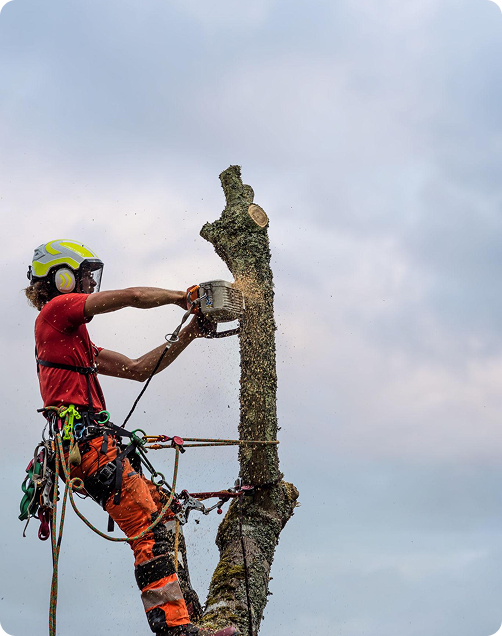
The right question on any Emmaus trimming job is what the tree actually needs versus what it looks like it needs from the sidewalk. A Norway maple on a Harrison Street lot that has been growing into the neighboring property for fifteen years needs crown reduction to meaningful laterals. A silver maple on a Chestnut Street lot with a co-dominant stem union that has been developing included bark for twenty years needs a different read entirely. The tree looks like a trimming candidate. It may be a cabling candidate. Getting that distinction right before the first cut requires being inside the crown, not standing on the sidewalk.
The properties along Alpine Street that back onto South Mountain Preserve present a completely different trimming picture from the compact older borough lots. Mature hardwoods in near-forest conditions develop very differently than the same species in a residential lot context. A white oak on an Alpine Street property that has been growing at the edge of the preserve for sixty years has a crown spread and structural architecture that older borough lots trimming approaches don’t scale to. Tree trimming on preserve-edge properties requires a read of the tree in its actual context, including the forest edge dynamics that shape how those trees have grown.
Certified Local Arborists
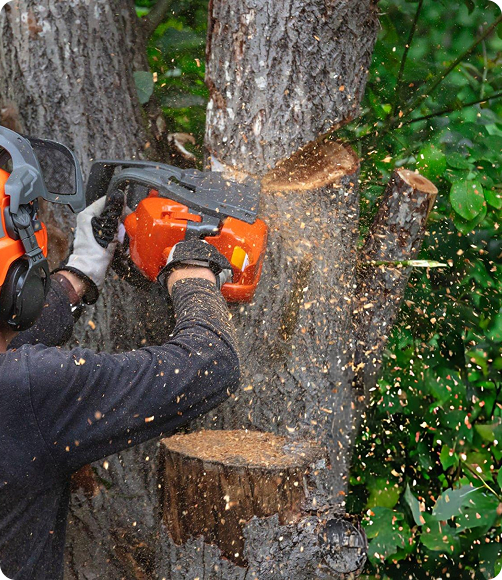
The silver maples in Emmaus’s Harrison Street district and the Norway maples near Chestnut Street carry structural defects that have been developing since the borough’s residential expansion in the early 1900s. Co-dominant stems with included bark in a silver maple are a recognized failure pattern, and the extent of the included bark in a union is not visible from the ground. A certified arborist working inside the crown identifies the specific unions that are at risk, the scaffold branches most likely to fail under wind or ice load, and the clearance points where the crown is making contact with the vintage utility infrastructure that runs through much of the older borough.
The Emmaus Shade Tree Commission advises on species and maintenance standards for the borough’s public canopy. When a trimming job involves right-of-way trees or branches overhanging public areas, the Commission’s standards apply. Crews familiar with the Commission’s requirements and process work within that framework rather than around it, which keeps jobs on schedule and avoids the liability that comes from right-of-way work done without coordination.
Emmaus Tree Trimming Experts
Harrison Street and Chestnut Street homeowners dealing with a trimming job that has two conversations running at once: the structural problem on the private lot, and the Shade Tree Commission question about whether the branches overhanging the sidewalk put any of the work in the right-of-way. Those homeowners have often already thought about the second question before calling, and getting the answer early keeps the job on schedule. The Alpine Street homeowner is a different situation: a large-canopy hardwood at the preserve edge that has never had a certified arborist inside the crown, worth keeping, carrying whatever sixty years of near-forest growth has done to its internal structure.
Scheduling in Emmaus follows the regional pattern, with one local addition: jobs involving Shade Tree Commission coordination need that step built into the timeline before booking. Commission process doesn’t hold jobs for weeks, but it needs to happen before the crew is on-site, not after.
Complete Tree Trimming Services for
Emmaus Properties
Thrive Tree handles tree trimming across Emmaus’s full range of site conditions, from structural intervention
on the aging silver maple and Norway maple canopy in the Harrison Street district to careful formative work
on the large-canopy hardwoods along the South Mountain Preserve edge.
Crown Reduction
Takes height and spread out of trees that have outgrown their sites without destroying their structure. On Emmaus’s compact borough lots near Harrison Street and Chestnut Street, Norway maples that have been growing into neighboring properties and overhanging public sidewalks require reduction that addresses both the private property problem and the Shade Tree Commission’s right-of-way interest simultaneously. Reduction cuts go to lateral branches capable of carrying the remaining crown, not to stubs that trigger dense regrowth.
Structural Pruning
The silver maples in Emmaus’s older residential sections carry co-dominant stems with included bark that are not visible from street level and are among the most common failure points in the borough’s canopy. Systematic assessment of co-dominant unions, combined with deadwood removal targeting the scaffold branches most likely to fail under storm load, is the highest-priority structural work on any established Emmaus property with aging silver maple or Norway maple canopy.
Right-of-Way Clearance Pruning
Trimming work that involves Emmaus street trees or private tree branches overhanging the public right-of-way falls under Shade Tree Commission oversight. Clearance pruning on those trees follows Commission standards for branch removal and is coordinated before work is scheduled. On Harrison Street and Chestnut Street blocks where mature trees overhang both private property and the public sidewalk simultaneously, that coordination is built into the job from the start.
South Mountain Preserve Edge Canopy Work
Large-canopy hardwoods along Alpine Street and the properties abutting the Wildlands Conservancy’s South Mountain Preserve have grown in near-forest conditions their entire lives. Trimming those trees requires reading the crown in its actual ecological context, including the forest edge dynamics that have shaped the branch architecture. A standard residential trimming approach applied to a sixty-year white oak at the preserve edge misses the structural picture.
Vintage Utility Clearance Pruning
Emmaus’s older residential sections run utility infrastructure overhead at canopy level on most blocks, and the vintage service drops in the Harrison Street district and near Chestnut Street run close to tree crowns that have been growing toward them for decades. Clearance pruning on those trees is targeted work: removing the branches in direct contact with or approaching the utility corridor while preserving the crown structure that makes the tree worth keeping.
FREQUENTLY ASKED QUESTIONS
Emmaus’s cost variables include the Shade Tree Commission coordination step when right-of-way trees are involved, which adds process time. The older residential lots near Harrison Street and Chestnut Street with vintage utility proximity and tight access cost more to work than open lots. Preserve-edge properties along Alpine Street with large-canopy hardwoods involve different scope and access conditions than compact borough trimming. An in-person estimate at the Emmaus property is the only accurate figure.
Most established trees benefit from assessment every three to five years. The Norway maples and silver maples in the Harrison Street district and near Chestnut Street have been accumulating structural deficits for longer than that on most properties, and the initial round of work is a more involved job than routine maintenance. Once the structural problems are addressed, a three-to-five-year maintenance interval is realistic. Preserve-edge properties along Alpine Street with larger-canopy trees benefit from less frequent but more thorough assessment given the scale of the work involved.
Late winter is the clearest structural window: dormant canopy, visible branch architecture, and efficient healing before spring growth. For Emmaus specifically, late winter also allows a full assessment of the utility line clearance situation in the Harrison Street district before the canopy closes and obscures the contact points. Summer works for deadwood removal and clearance pruning. Early spring during active bud break is the window to avoid across all Emmaus properties.
The Commission’s authority covers trees and branches in the public right-of-way. Private property trimming that stays entirely on private property generally doesn’t require Commission approval. Trimming that involves a street tree, or that addresses private tree branches overhanging a public sidewalk or street, falls under Commission oversight and should be coordinated before work proceeds. The Commission advises on species, maintenance standards, and removal for public trees, and its formal enforcement authority means uncoordinated right-of-way work creates direct liability.
Depends on what the stems are doing and how far the included bark has progressed. Early-stage co-dominant stems with limited included bark can sometimes be managed through selective reduction of the subordinate stem over several trimming cycles, reducing load on the failing union while the dominant structure strengthens. Late-stage co-dominant unions with significant included bark are structural problems that trimming doesn’t solve, and cabling or removal becomes the honest conversation. A certified arborist assessment inside the crown on any Emmaus silver maple with visible co-dominant development gives the actual picture.
Yes, meaningfully. The large-canopy hardwoods along Alpine Street that back onto the Wildlands Conservancy’s 440-acre South Mountain Preserve have grown in near-forest conditions their entire lives. Their crown spread, internal structure, and branch architecture reflect that context. The trimming objectives on those trees, maintaining structural integrity on a large mature hardwood, differ from the reduction and clearance objectives that drive most older borough work. The assessment approach, the equipment required, and the work scope are all different jobs.
GET STARTED TODAY
YOUR TREES DESERVE
EXPERT ATTENTION
Don’t wait until a hazard becomes a headline. Call Thrive
Homes today for a free, no-obligation estimate
from your local certified arborists.
 (484) 225-8400

FULLY LICENSED
& INSURED

CERTIFIED
ARBORISTS

SAFE, RELIABLE
& PROFESSIONAL
