 Proudly Serving Allentown, Bethlehem, Easton & the Lehigh Valley
 ISA Certified Arborists
 Fully Insured

 (484) 225-8400


Tree Removal in
Nazareth, PA
Tree removal in Nazareth, PA. Thrive Tree works historic
borough lots, limestone-substrate properties,
and surrounding township sites..
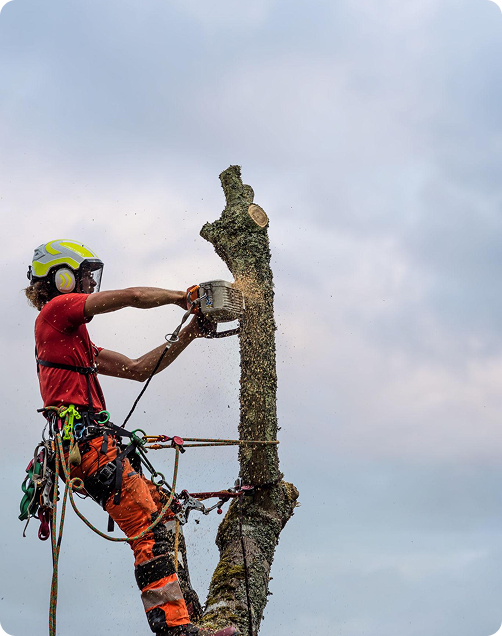
Nazareth Sits on Limestone. That Changes What Happens Underground.
Nazareth borough sits at nearly 500 feet elevation on one of the richest limestone deposits in the country, and that geology shapes tree removal work here in ways that aren’t obvious from the surface. Tree roots in Nazareth’s shallow limestone soils can’t penetrate the way they do in the valley floor cities. Instead they spread laterally, wide and shallow, working under sidewalk slabs on Center Street and South Main, pressing against the stone foundations of the 1740s Moravian-era buildings in the historic district, and anchoring in ways that make stump extraction more involved than a standard residential job. Tree removal in Nazareth starts with understanding what the ground is doing under the tree, not just what the crown is doing above it.
The borough’s rapid growth adds a second layer. Upper and Lower Nazareth Townships are converting agricultural land to suburban housing at a pace that has pushed the borough’s edges outward for two decades. Properties along that conversion boundary carry a mix of mature woodlot-edge trees and newly planted suburban stock, and the removal conditions on a lot off Hanoverville Road are different from a tight borough core property two blocks from the Martin Guitar factory. Nazareth’s tree removal picture spans both.

Professional Tree Removal in
Nazareth, PA
Tree removal in Nazareth’s historic district, centered on Center and Main Streets, requires more than technical competence. The borough’s National Register district covers 188 acres of Moravian-era and Late Victorian architecture, and the trees growing on those properties, some of them as old as the stone facades they’re pressed against, are part of a streetscape that the borough takes seriously. A removal that affects a tree visible from the public right-of-way in the historic district may warrant a conversation with the borough before work proceeds. The assessment on those jobs covers not just whether the tree should come down but whether there’s a path forward that doesn’t involve removing it.
Outside the historic core, Nazareth’s compact borough lots present the familiar constraints of small-city tree removal: narrow side yards, shared driveways, PPL service drops on every block, and houses close enough that sectional dismantling is the default rather than the exception. The limestone substrate underneath changes the root spread assessment. A Norway maple or silver maple on a Center Street lot that has been growing for fifty years may have lateral roots extending well beyond what the visible canopy suggests, following the path of least resistance through shallow limestone soil rather than going down.
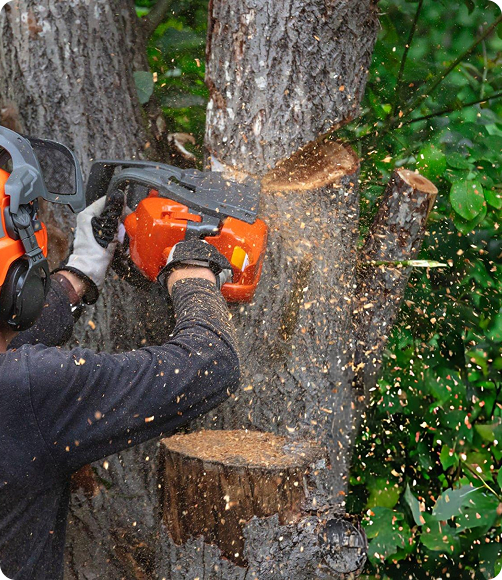
Licensed and Insured Crews
Nazareth’s borough core runs PPL distribution infrastructure overhead on most residential blocks, and the historic district properties on Center and Main Streets add proximity constraints that open-lot removal work doesn’t carry. Crews carry full general liability coverage and workers’ compensation on every job. On a tight Nazareth borough lot where the neighbor’s property is feet away and the stone foundation below the tree predates the Civil War, that coverage is not incidental. A certificate of insurance is available before any work begins.
The limestone geology also affects what happens when a tree fails unexpectedly during removal. Root systems anchored in shallow limestone soil can release suddenly rather than progressively, which changes how a climber reads the stability of a partially cut stem. Crews experienced with limestone-substrate properties in Northampton County bring a different risk assessment to Nazareth jobs than those working primarily in the valley floor conditions of Allentown or Bethlehem.
Nazareth Tree Removal Specialists
Historic district homeowners on Nazareth’s compact Center and Main Street lots tend to call after they’ve already decided the tree needs to come down. The question by that point is what the root system has reached. A Norway maple spreading lateral roots through shallow limestone for fifty years on a Center Street lot may have roots against a Moravian-era stone foundation that the homeowner didn’t know were there until an assessment revealed them. The township edge is a different situation: homeowners clearing woodlot-edge trees from lots that were working farmland within a generation, dealing with trees that are far larger than anything on the compact borough lots and with removal conditions that have nothing in common with the historic core.
Spring fills fast across Northampton County, and Nazareth is no exception. Nazareth’s elevation, nearly 500 feet compared to the valley floor cities, means ice events hit the borough harder and earlier than Allentown or Bethlehem. Calling before the first ice storm of the season, rather than after, produces significantly better scheduling outcomes.
Complete Tree Removal Services for
Nazareth Properties
Thrive Tree handles tree removal across the full range of Nazareth property types, from the compact
historic borough lots on Center and Main Streets to the converting agricultural parcels of
Upper and Lower Nazareth Townships along the borough’s expanding edges.
Historic District Tree Removal
Tree removal on or adjacent to properties in Nazareth’s National Register Historic District requires a careful read of both the tree’s structural condition and the context the tree occupies. Mature trees on Center and Main Street properties that have been growing against Moravian-era stone facades are structural concerns and historic streetscape elements simultaneously. Assessment on these properties covers whether removal is the right call or whether structural pruning and monitoring extend the tree’s viable life.
Hazard Tree Removal
Shallow limestone soils in Nazareth produce lateral root spread that is more extensive than the visible canopy or stump diameter suggests. Assessment on Nazareth properties includes a ground-level read of where surface roots are tracking before establishing the fall zone and rigging plan. A tree with roots running under an adjacent sidewalk or stone foundation wall on a borough lot requires a different approach than the same species on a valley floor property with deeper soil.
Sectional Dismantling
The standard method on Nazareth’s compact borough lots. Crown sections come down top-first, rigged and lowered rather than dropped, with staging in whatever space the lot provides. On the historic district blocks where neighboring structures are close and the sight lines from the street matter, sectional work keeps the job contained and the surrounding properties protected throughout.
Large Tree Removal
The converting farmland edges of Upper and Lower Nazareth Townships produce a different category of tree removal work: mature woodlot trees on lots being cleared or improved, property-line trees with uncertain ownership, and old-growth specimens that have been growing in open agricultural conditions and have crown spreads that don’t fit suburban lot lines. These jobs run faster than urban borough work but involve larger trees and longer haul distances.
Emergency Storm Response
Nazareth’s elevation exposes the borough to ice events that hit earlier and harder than the valley floor communities. A significant ice storm on a Nazareth borough lot with mature trees and stone structures nearby creates active hazards that require prompt response. Emergency service covers trees on structures, blocking egress, or in contact with utility lines across the borough and surrounding townships.
FREQUENTLY ASKED QUESTIONS
Nazareth’s cost variables include the limestone substrate factor that the valley floor cities don’t have. A tree with lateral root spread anchored in shallow limestone soil requires a different assessment and, in some cases, a different removal approach than the same species on deeper soil. Historic district properties on Center and Main Streets add context review that open-lot work doesn’t require. Township conversion lots off Hanoverville Road and Route 191 involve larger trees and longer haul distances. An in-person estimate at the Nazareth property is the only accurate figure.
The crew assesses the lot, the root zone, and access conditions on arrival before positioning equipment. On historic district properties, the crew confirms the work plan relative to the surrounding stone structures before cutting starts. Vehicles near the tree should be moved beforehand. Most Nazareth borough removals run two to five hours depending on tree size and lot constraints. Township lots with larger trees and better access typically run faster. Debris is processed throughout the job.
Nazareth’s National Register Historic District covers 188 acres centered on Center and Main Streets. Private property tree removal generally doesn’t require a borough permit, but trees visible from public rights-of-way in the historic district, particularly street trees and trees adjacent to designated historic structures, may warrant coordination with the borough before work proceeds. Nazareth takes its historic district seriously, and a removal that affects the character of a Center Street property is worth a preliminary conversation before scheduling.
Significantly. The shallow limestone soils that underlie Nazareth produce tree root systems that spread laterally rather than deeply, following the path of least resistance through limestone fissures rather than going down. The result is root spread that extends further from the trunk than standard soil profiles would produce, and root systems that anchor differently when a tree is being cut. Crews experienced with limestone-substrate properties read the surface root pattern before establishing the rigging plan, not after the first cut reveals it.
Pennsylvania does not issue a statewide tree contractor license. All Thrive Tree crews carry general liability insurance and workers’ compensation. Proof of insurance is available before work begins on any Nazareth property. On a compact borough lot where the neighbor’s stone foundation is within the fall radius, that coverage matters directly. It is a reasonable question to ask any crew before they start work.
Nazareth’s elevation of nearly 500 feet puts it above the valley floor and exposes it to ice events that hit harder and earlier than Allentown, Bethlehem, or Easton. Ice loading on Nazareth’s mature trees, particularly the silver maples and Norway maples on the compact borough lots, creates hazard situations that develop faster than in lower-elevation communities. Scheduling removal of trees identified as structural risks before ice season, rather than responding to failure after an event, produces significantly better outcomes. The fall and early winter window is worth using.
GET STARTED TODAY
YOUR TREES DESERVE
EXPERT ATTENTION
Don’t wait until a hazard becomes a headline. Call Thrive
Homes today for a free, no-obligation estimate
from your local certified arborists.
 (484) 225-8400

FULLY LICENSED
& INSURED

CERTIFIED
ARBORISTS

SAFE, RELIABLE
& PROFESSIONAL
