 Proudly Serving Allentown, Bethlehem, Easton & the Lehigh Valley
 ISA Certified Arborists
 Fully Insured

 (484) 225-8400

Tree Trimming in
Allentown, PA
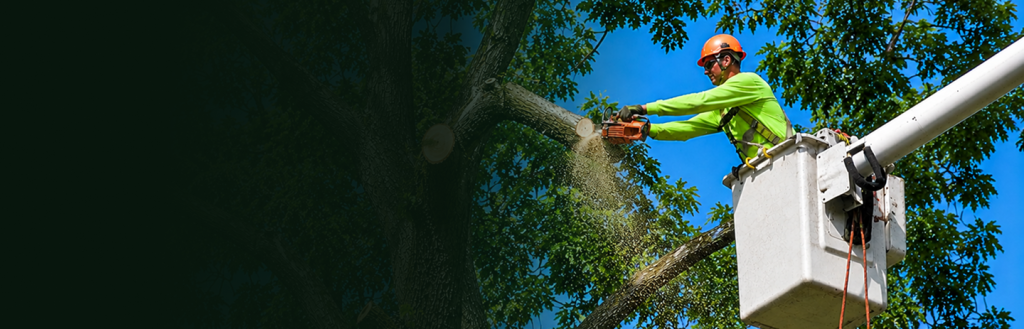
Tree trimming in Allentown, PA. Thrive Tree handles
structural pruning, deadwood removal, and
clearance work on the city’s aging canopy.
Allentown’s Ash Trees Are Gone. What Replaced Them Needs Work Too.
The Emerald Ash Borer cleared out most of Allentown’s ash canopy over the past fifteen years. What filled in behind it on streets like North Irving and the residential blocks east of Cedar Creek Parkway was a mix of volunteer Norway maples, fast-tracked street tree plantings that are now reaching problematic adolescence, and whatever ornamentals were already in the ground and outcompeting the gap. Tree trimming on those replacement trees, done correctly now, determines whether Allentown’s canopy rebuilds into something structurally sound or just grows fast and fails early.
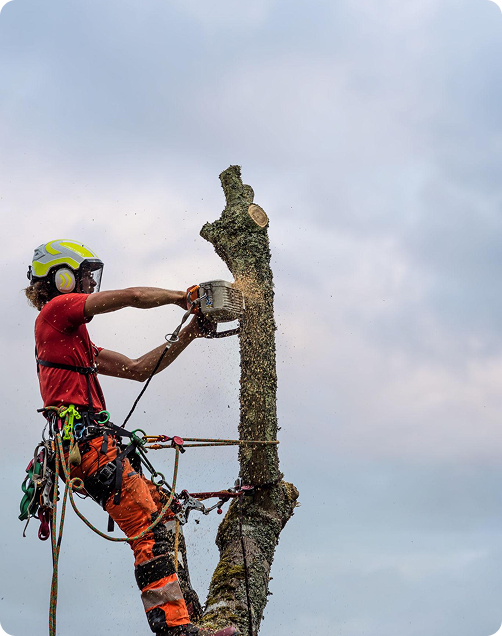
The older stock that survived the EAB wave presents its own trimming backlog. Silver maples throughout Fairgrounds and the blocks north of Tilghman Street have been accumulating deadwood for years. Most haven’t seen a climbing arborist since the last time a limb came down on something. Getting into those crowns and removing what’s failing before the next ice storm is a different kind of work than cosmetic maintenance.

Professional Tree Trimming in
Allentown, PA
Tree trimming starts with a read, not a saw. The question on a Norway maple crowding a rowhouse side yard in Midtown is different from the question on a 60-year silver maple overhanging a detached garage on the East Side. One needs reduction to stop pressing into the neighbor’s structure. The other needs a systematic deadwood pass and an assessment of whether the scaffold branches are still structurally sound or just holding on by habit. Conflating those two jobs produces bad outcomes for both trees.
Clearance pruning on Allentown’s older residential blocks is its own discipline. PPL distribution lines run along or behind almost every block in the city, and the wire zone defines what can and can’t be done from a climbing position without utility coordination. Beyond the lines, the contact points between crowns and structures accumulate slowly: a branch that cleared the gutter last spring is pressing against the flashing this fall. Catching those contact points before they cause damage is most of what tree trimming should accomplish on an established Allentown property.
Certified Local Arborists
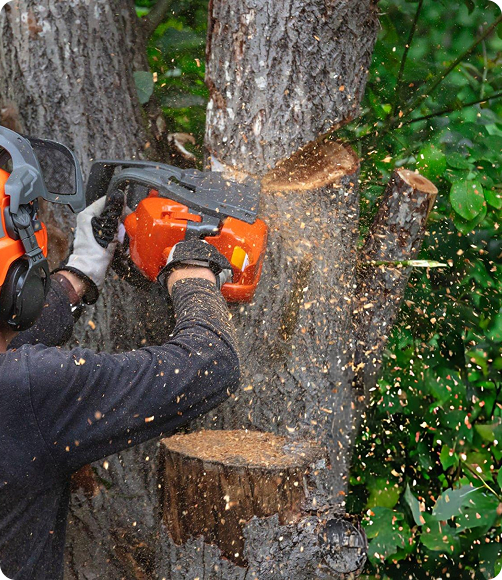
Norway maple is the dominant species on Allentown’s South Side and across much of Midtown, and it’s a species that punishes bad pruning decisions. Heavy cuts trigger dense, weakly attached epicormic regrowth at the wound site. That regrowth looks like recovery. It isn’t. Within a few years the crown is denser and more prone to failure than it was before the cuts were made. Certified arborist training covers the species-specific response patterns that change where and how cuts get made, and Norway maple is a case where that knowledge has direct structural consequences.
Equipment on most Allentown jobs means a climber with a hand saw rather than a bucket truck. The streets are narrow, overhead lines are frequent, and interior lots don’t have the clearance for aerial equipment. A climber inside the crown makes precise cuts to the right branches. A bucket truck cuts to what it can reach, which on a tight Allentown lot often isn’t the same thing.
Allentown Tree Trimming Experts
West End homeowners whose Norway maples have been pressing into neighboring properties for years while the trimming kept getting deferred. Long-time East Side residents managing silver maples that are carrying decades of accumulated deadwood and have never had a climbing arborist inside the crown. The consistent finding across established Allentown properties is that the last round of work was too long ago.
Spring books fast and the post-storm window books faster. Calling in late summer or early fall for winter work typically gets a better scheduling window and sometimes better working conditions: frozen ground takes less equipment damage, and a bare canopy is easier to read structurally than one in full leaf.
Complete Tree Trimming Services for
Allentown Properties
Thrive Tree handles the full range of trimming and pruning work across Allentown, from structural intervention
on the aging silver maples and Norway maples that dominate the city’s older neighborhoods
to formative pruning on the replacement street trees still finding their shape.
Crown Reduction
Takes height and spread out of a tree that has outgrown its site without destroying its structure. On Allentown’s narrower residential lots, particularly through Midtown and the Sixth Ward, Norway maples that have been growing unchecked often press into multiple adjacent properties at once. Reduction cuts are made to lateral branches capable of carrying the remaining crown, not topped to a stub that invites decay.
Deadwood and Hazard Branch Removal
The highest-priority trimming work on any established Allentown property. Dead branches in the crown of a silver maple along Fairgrounds or a white oak on the East Side are coming down eventually. The only question is whether that happens during a scheduled job or during a storm at two in the morning onto a parked car. Systematic deadwood removal eliminates the specific failure points before weather makes the decision.
Clearance Pruning
Addresses direct contact between crown and structure: gutters, rooflines, siding, PPL service drops, neighboring fences. On Allentown’s older blocks where trees and houses have been growing in each other’s space for decades, clearance work often uncovers structural branch issues that weren’t visible from the ground. The work is targeted. Branches causing or about to cause contact come out. Sound branches nearby stay.
Structural Pruning
Norway maple’s response to heavy or improper pruning makes it a species that needs a specific approach on Allentown’s South Side and Midtown blocks where it dominates. Reduction and thinning cuts made to the right laterals preserve the tree and reduce the dense canopy that accumulates ice load. Cuts made to the wrong points trigger the epicormic regrowth pattern that makes the crown structurally weaker within a few growing seasons.
Formative Pruning
The street tree plantings that went in across Allentown neighborhoods after the EAB ash loss are reaching the stage where structural decisions matter. A competing leader on a young red oak on an Allentown residential lot is a fifteen-minute pruning job now and a significant structural problem in twenty years. Getting into those trees early establishes the branch architecture before the weight makes correction difficult.
Frequently Asked Questions
The range is wide. A formative pruning pass on a young street tree in a North Allentown yard costs a fraction of a full structural assessment and deadwood removal on a 60-year silver maple overhanging a detached garage on the East Side. The variables are tree size, species, structural condition, and site access. Norway maple reduction on a tight Midtown lot where the crown is pressing into two adjacent properties adds complexity that an open-lot job of the same tree size doesn’t carry. An in-person estimate is the only honest number.
Most established trees benefit from assessment and any necessary work every three to five years. Fast-growing species like silver maple and the Norway maples that dominate much of Allentown’s older neighborhoods close in faster and often need attention on the shorter end of that range. The replacement street trees planted after the EAB ash loss benefit from more frequent formative attention during their first decade. The honest answer depends on the species, the site, and what the last round of work addressed.
Late winter is the clearest structural window. The canopy is bare, branch architecture is fully visible, the ground is often frozen and easier to work on without equipment damage, and cuts made just before spring growth push heal efficiently. Summer works for deadwood removal and clearance work where contact points are easier to identify with foliage present. The window to avoid is early spring during active bud break, when energy reserves are committed to new growth and pruning stress compounds.
Yes, but the approach matters more than it does with most species. Norway maple produces dense epicormic regrowth at heavy cut points, and that regrowth is weakly attached and structurally worse than what was there before. Correct pruning cuts on Norway maple are made to lateral branches of meaningful size rather than to stubs, and the goal is reducing canopy density and contact points without triggering the regrowth response. A climbing arborist who knows the species can work a Norway maple crown effectively. A crew that doesn’t will make the tree a recurring maintenance problem.
Trimming on private property trees in Allentown generally doesn’t require a permit. Street trees in the public right-of-way fall under the City of Allentown’s jurisdiction and require city coordination before any work proceeds. The distinction matters on Allentown’s older blocks where the property line and the right-of-way boundary aren’t always obvious from the street. Trimming a street tree without city approval creates a liability that sits with whoever ordered the work.
Spotted lanternfly uses tree-of-heaven as its preferred host but feeds on a wide range of species including maples and oaks common throughout Allentown. Trimming doesn’t directly address an SLF infestation, but removing tree-of-heaven from a property, which is both an invasive and the primary SLF host, is a legitimate reason to schedule removal or aggressive pruning. A crew working through a crown during a trimming job will note heavy SLF egg mass presence, but treatment decisions for active infestations sit with a licensed pesticide applicator, not a trimming crew.
GET STARTED TODAY
YOUR TREES DESERVE
EXPERT ATTENTION
Don’t wait until a hazard becomes a headline. Call Thrive
Homes today for a free, no-obligation estimate
from your local certified arborists.
 (484) 225-8400

FULLY LICENSED
& INSURED

CERTIFIED
ARBORISTS

SAFE, RELIABLE
& PROFESSIONAL
