
 (855) 564-4374
Mental Health Treatment
Comprehensive Extended Care Program
Primary Mental Health Treatment Center
Water Gap Wellness Mental Health Treatment Center – Partial Hospitalization(PHP) and Intensive Outpatient Program (IOP) offers the most comprehensive Mental Health Treatment Program in Pennsylvania and the most intensive level of care in the region.
Clients benefit from a comprehensive, structured level of step-down support that fosters transition to a more independent lifestyle. Water Gap Wellness Center provides clients the opportunity to manage their diagnosis while enjoying life to its fullest.

WE ARE STANDING BY DAY OR NIGHT TO HELP
Request a Confidential Callback 24/7
what we treat
What is Alcohol Use Disorder?
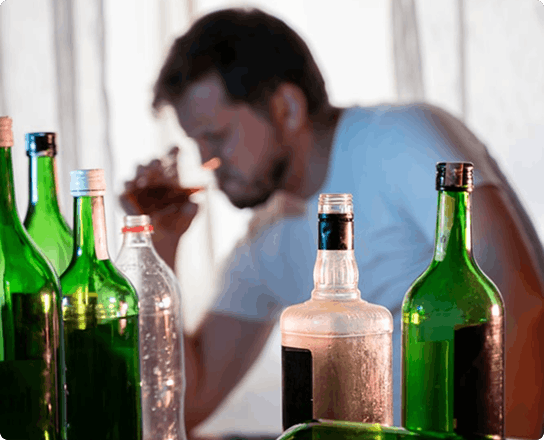
Alcohol use disorder (which includes a level that’s sometimes called alcoholism) is a pattern of alcohol use that involves problems controlling your drinking, being preoccupied with alcohol, continuing to use alcohol even when it causes problems, having to drink more to get the same effect, or having withdrawal symptoms when you rapidly decrease or stop drinking.
Unhealthy alcohol use includes any alcohol use that puts your health or safety at risk or causes other alcohol-related problems. It also includes binge drinking — a pattern of drinking where a large amount of alcohol is consumed in a short period of time. Binge drinking causes significant health and safety risks.

TREATMENT APPROACHES
Symptoms include:
- Being unable to limit the amount of alcohol you drink
- Wanting to cut down on how much you drink or making unsuccessful attempts to do so
- Spending a lot of time drinking, getting alcohol or recovering from alcohol use
- Feeling a strong craving or urge to drink alcohol
- Failing to fulfill major obligations at work, school or home due to repeated alcohol use
- Continuing to drink alcohol even though you know it’s causing physical or social problems
- Giving up or reducing social and work activities and hobbies
- Using alcohol in situations where it’s not safe, such as when driving or swimming
- Developing a tolerance to alcohol so you need more to feel its effect or you have a reduced effect from the same amount

Full Spectrum of Programs and Services
We Treat the Person, Not the Diagnosis.

Our holistic approach is designed to restore balance, and re-calibrate the mind, body and spirit through a combination of masterfully-planned clinical sessions and extraordinary experiential experiences.
Our programs are licensed by the Pennsylvania Department of Human Services and the Drug and Alcohol Programs of Pennsylvania and offer an on-site Psychiatrist five days each week, two 1-on-1 sessions weekly with masters-level clinicians, group therapy daily, relapse prevention through exposure therapy, seasoned mental health professionals and so much more.
Comprehensive Extended Care Program
Treatment for Alcohol Use Disorder
Alcohol use disorder can be treated with psychotherapy, medications, group therapy, and involvement and commitment to a recovery program. Because denial is common, you may not feel like you have a problem with drinking. You might not recognize how much you drink or how many problems in your life are related to alcohol use. Listen to relatives, friends or co-workers when they ask you to examine your drinking habits or to seek help. Consider talking with someone who has had a problem drinking but has stopped.

Get Financial Assistance
We Accept Most Major Insurance
Many insurance plans cover the cost of Water Gap Wellness Center’s treatment plans at our behavioral health facilities. Although Water Gap Wellness Center accepts benefits from most major insurers, it is essential to verify coverage before admission. Your admission counselor partners with you to determine coverage and benefits from companies like Aetna, BCBS, Cigna, UHC, UMR, Humana, Magellan, Horizon, etc.








 VERIFY INSURANCE COVERAGE