
 (855) 564-4374
Pennsylvania
Areas we serve
Pennsylvania Treatment Options

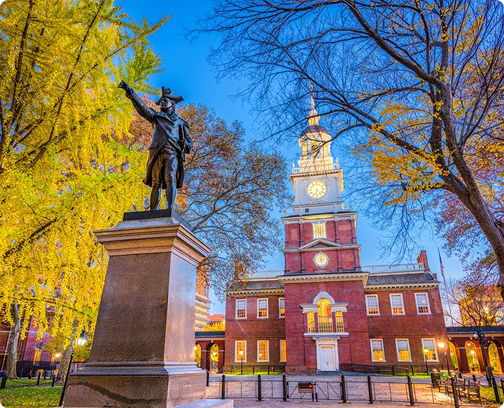
The State Mental Health Services Association in Pennsylvania spent approximately $4.5 billion on mental health services across the state. This expenditure provided mental health services to just under 600,000 state residents.
According to the Substance Abuse and Mental Health Services Administration (SAMHSA) data, the largest demographic seeking help at a mental health facility in Pennsylvania were residents ages 25-44. This age group accounted for just under 31% of the total population served in mental health facilities across the state. They were followed by 45-64-year-olds (23.5%) and 0-12-year-olds (19.2%).
Although women frequently struggle with addiction at a higher rate than men (based on national data), the statistics from Pennsylvania indicate the ratio of men to women seeking treatment is almost equal (48% and 52%, respectively). Similar to many other states in the United States, Caucasians (64.%) and Black/African American (21.7%) populations struggle with mental illness at a higher rate than other demographics.
American Indian and Pacific Islander demographics showed the lowest rates of mental health treatment; however, there could be several reasons for this. It is indeed possible that barriers to treatment such as availability, insurance coverage, stigma, community and religious belief, and societal expectation may limit treatment access for members of these demographics.
The overwhelming majority of Pennsylvania residents seeking help to overcome mental health chose community-based programs and inpatient care or residential programs. A small portion received mental health services in a state mental health facility (psychiatric hospital).
When reviewing current data, it is essential to remember that the state of mental health in many areas is declining. The COVID-19 pandemic and the challenges that have developed out of illness, ongoing isolation, and economic difficulties have exacerbated the mental health struggles faced by millions of Americans, including Pennsylvania residents. Between September 29, 2021, and October 11, 2021, almost 34% of Pennsylvania residents reported experiencing anxiety disorders and depressive disorders. This is higher than the national average of 31.6%.
Substance use disorders and deaths related to substance abuse and mental illness are also rising in Pennsylvania. In the state, 41.3 deaths per 100,000 were linked to substance abuse in 2020. This is a significant increase from 26.3 per 100,000 in 2015. Similarly, deaths related to opioid use and misuse increased from 5.2 per 100,000 to 25.1 per 100,000 in the same period.
Although there are several mental health treatment facilities in Pennsylvania, many of the population who could significantly benefit from comprehensive mental health care do not receive the treatment they need to get well. Estimates suggest that more than 62% of Pennsylvania residents with a mild mental illness did not receive mental health treatment between 2018 and 2019. Similar statistics apply to individuals with moderate and severe mental illness with 51% and 32%, respectively. Before the onset of the COVID-19 pandemic, approximately 7$ of Pennsylvania adults reported an unmet need for mental health treatment. In 2020, nearly 14% of youth in Pennsylvania (ages 3-17) went without necessary mental health treatment.


 VERIFY INSURANCE COVERAGE