
 (855) 564-4374
Club Drugs & Addiction
Substance Abuse
Club Drug Addiction
At our drug rehab in Pennsylvania, just a few miles from New Jersey, we believe recovery is a hard road to walk alone, but we can journey together through the healing process.
A life worth living is possible after drug rehab.
WE ARE STANDING BY DAY OR NIGHT TO HELP
Request a Confidential Callback 24/7
what we treat
What are club drugs?
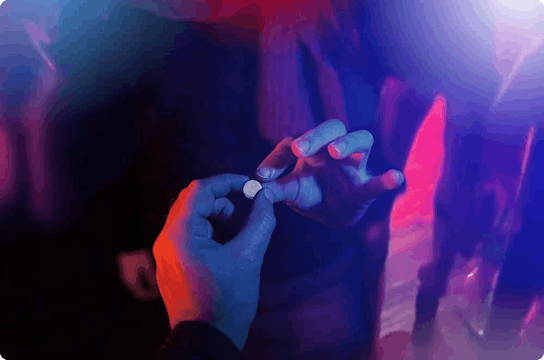
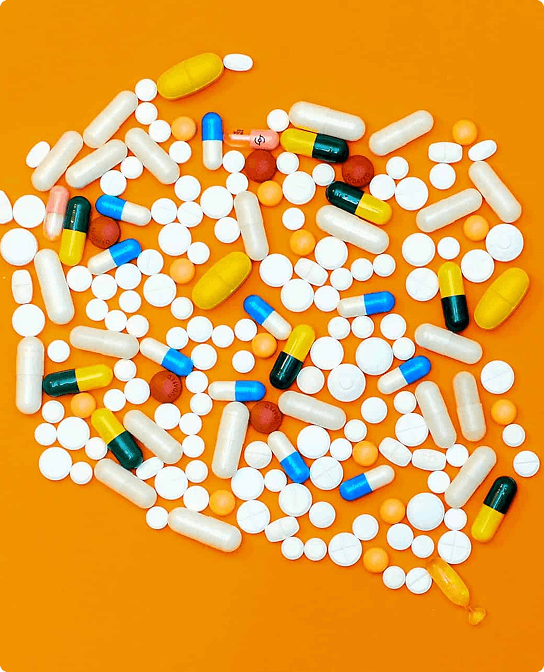
Club drugs tend to be used by teenagers and young adults at bars, nightclubs, concerts, and parties. Club drugs include GHB, Rohypnol®, ketamine, MDMA (Ecstasy), Methamphetamine, and LSD (Acid). Many club drugs distort the way a user perceives time, motion, colors, sounds, and self. These drugs can disrupt a person’s ability to think and communicate rationally, or even to recognize reality, sometimes resulting in bizarre or dangerous behavior. Hallucinogens such as LSD, psilocybin, peyote, DMT, and ayahuasca cause emotions to swing wildly and real-world sensations to appear unreal, sometimes frightening. Dissociative drugs like PCP, ketamine, dextromethorphan, and Salvia divinorum may make a user feel out of control and disconnected from their body and environment. (Drugabuse.gov)
DRUG EFFECTS
- Psychotic-like episodes
- Distortions in time and perception
- Difficulties in communicating
- Altered perception of reality
- Respiratory depression
- Heart rate abnormalities

Club Drug Addiction
Signs of Abuse
Along with these specific symptoms, club drugs are unique in the fact that they are associated with a particular activity. Regular attendance at nightclubs, wild parties, and/or raves is in and of itself a warning sign, as few get through these events without direct exposure and access to drugs. People who begin staying out late at night a lot, whether they admit to attending these parties or make up excuses, have high chances of abusing club drugs. This often comes along with a sudden change in social circles. Due to the unpredictable nature of these drugs, frequent abuse can result in missed appointments and neglected responsibilities, disappearances for hours or days at a time, and impulsive, sometimes dangerous, behaviors.
There is a good chance that a person will experience withdrawal symptoms when the substance is no longer available. Individuals can be laid up for a week or more with nausea, headaches, fatigue, tremors, anxiety and/or depression, and more if they cannot take the drug anymore. This is when it’s clear that a serious problem has developed.
Full Spectrum of Programs and Services
We Treat the Person, Not the Diagnosis.

Our holistic approach is designed to restore balance, and re-calibrate the mind, body and spirit through a combination of masterfully-planned clinical sessions and extraordinary experiential experiences.
Our programs are licensed by the Pennsylvania Department of Human Services and the Drug and Alcohol Programs of Pennsylvania and offer an on-site Psychiatrist five days each week, two 1-on-1 sessions weekly with masters-level clinicians, group therapy daily, relapse prevention through exposure therapy, seasoned mental health professionals and so much more.
Club Drug Addiction
Withdrawal Effects
Because we can’t be sure what exactly is in many of synthetic club drugs, the withdrawal symptoms can be difficult to predict, which is why it is imperative that you detox in the safety of a professional medical detox center, where you can be closely monitored and cared for. LSD and Ketamine have no documented withdrawal symptoms; however, there are some instances of psychological symptoms such as depression, anxiety and lack of motivation.

MDMA has some consistent, though mild, withdrawal symptoms, including:
- Fatigue
- Depression
- Difficulty concentrating
- Loss of appetite
- Antidepressant discontinuation syndrome (brain zaps)
Rohypnol withdrawal symptoms include:
- Flu-like symptoms
- Tachycardia
- Irritability
- Nausea and vomiting
- Insomnia
- Weight-loss
- Tremors
- Depression
- Seizures
GHB withdrawal symptoms include severe versions of:
- Insomnia
- Tremors
- Hallucinations and delirium
- Muscle tissue breakdown
- Seizures
- Anxiety
- Tachycardia
- Death (rare)
Substance Abuse
Treatment for Club Drug Addiction
A range of treatments including medicines and behavioral therapies are effective in helping people stop use of club drugs. It’s important to match the best treatment approach to meet the needs of each individual patient.
Medically supervised detoxification may be required depending on duration and intensity of use.

Get Financial Assistance
We Accept Most Major Insurance
Many insurance plans cover the cost of Water Gap Wellness Center’s treatment plans at our behavioral health facilities. Although Water Gap Wellness Center accepts benefits from most major insurers, it is essential to verify coverage before admission. Your admission counselor partners with you to determine coverage and benefits from companies like Aetna, BCBS, Cigna, UHC, UMR, Humana, Magellan, Horizon, etc.








 VERIFY INSURANCE COVERAGE